
Gutters are easy to forget about. They sit at the edge of the roof, out of sight, quietly carrying rainwater away from your home every time it storms. When they stop doing that job, the damage usually shows up somewhere else first: a stained fascia board, peeling paint, a soggy flower bed or a damp basement.
Here in East Tennessee, where heavy rain and lots of mature trees are part of life, gutters work hard. This guide covers why gutters matter for your roof, the signs your gutters need repair or replacement, and simple maintenance tips to keep them working.
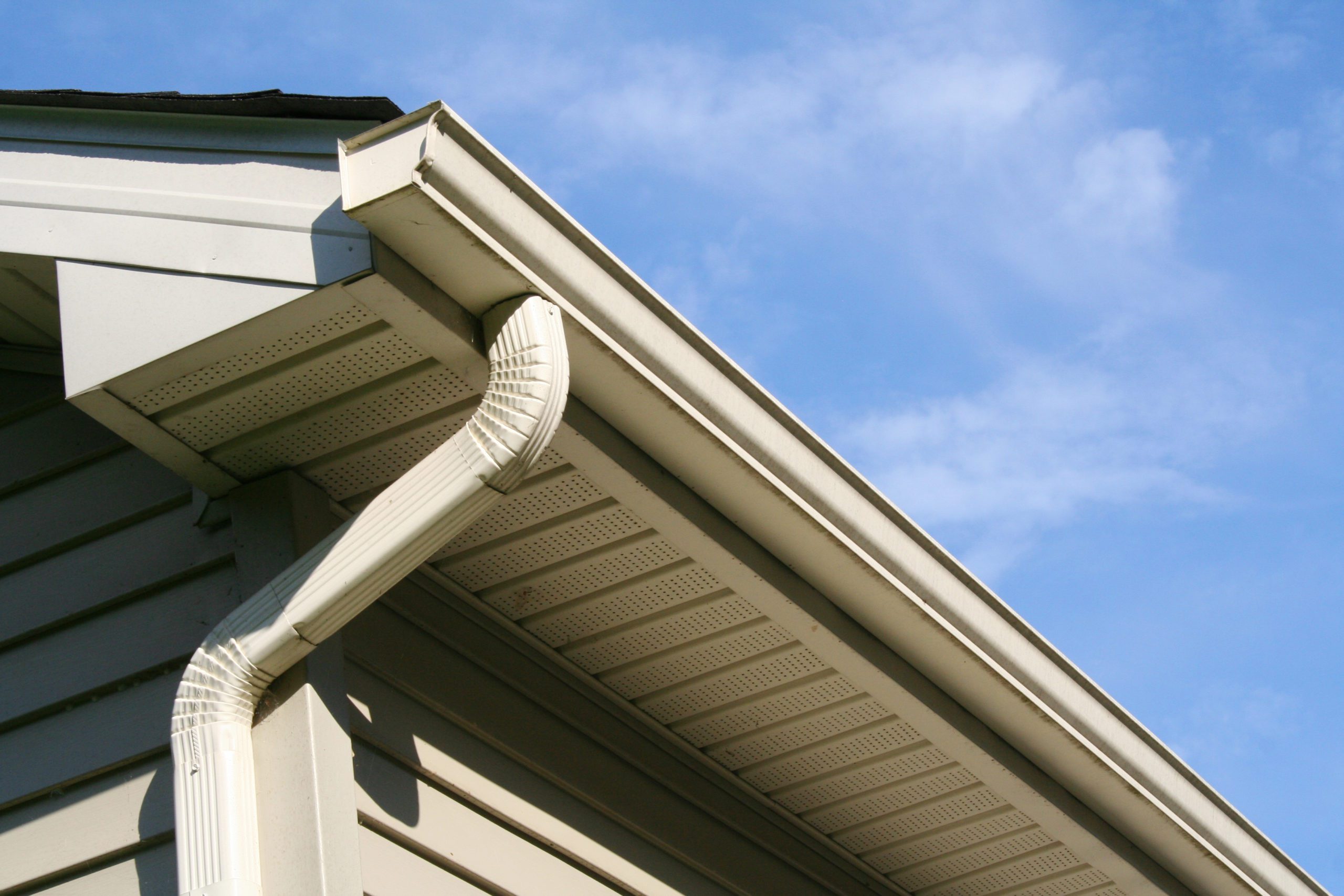
Why Gutters Matter for Your Roof
Your roof and gutters work as one system. The roof sheds water, and the gutters collect it and carry it to downspouts that send it away from the house. When gutters are clogged, damaged or poorly pitched, that system breaks down:
- Roof edges and fascia stay wet. Overflowing water can back up under the drip edge and soak the fascia, roof decking and the lowest rows of shingles. Over time, wood can soften and rot.
- Water ends up against your walls. Water spilling over the sides runs down siding and around windows, which can stain siding and let moisture get behind it.
- Foundations and basements take on water. Without downspouts directing water away, it pools next to the foundation, where it can cause erosion, settling and basement leaks.
- Landscaping washes out. A steady stream from an overflowing gutter can dig trenches in mulch beds and wash away soil.
- Standing water attracts pests. Clogged gutters that hold water and wet leaves can become a home for mosquitoes and other insects.
For a closer look at the roof side of the problem, read How Clogged Gutters Can Damage Your Roof.
Signs Your Gutters Need Repair or Replacement
Walk around your home during or right after a good rain. Watch for these warning signs:
Overflowing during normal rain
If water spills over the front of the gutters in an ordinary shower, they are clogged, undersized or not pitched correctly toward the downspouts. Our article on overflowing gutters covers the common causes.
Sagging or pulling away from the house
Gutters that droop or separate from the fascia usually have loose or failed hangers, or they are carrying too much weight from debris and standing water. Sagging can also be a sign that the fascia behind them is rotting.
Leaking seams and corners
Drips at joints, corners and end caps mean the seals are failing. Sectional gutters have more seams, so they tend to develop more of these leaks over time.
Rust, cracks and holes
Small spots can sometimes be patched, but widespread rust or cracking usually means the gutter has reached the end of its life.
Peeling paint, stains or mildew
Peeling paint on fascia or siding, water stains under the gutter line and mildew on exterior walls are clues that water is not staying in the gutters.
Pooling water or erosion near the foundation
Puddles, washed-out mulch or soil erosion below downspouts or along the drip line mean water is not being carried far enough away from the house.
Granules in the gutters
Some shingle granules in the gutters are normal, especially on a newer roof. Large amounts can be a sign your shingles are wearing out, and it is worth having the roof looked at too.
Repair or Replace?
A few loose hangers, a leaky seam or one bent section can often be repaired. If you are dealing with problems all around the house, such as sagging in several places, rust, frequent leaks or gutters that simply cannot keep up with the water, replacement is often the better long-term value. If you are planning a roof replacement, it can make sense to look at the gutters at the same time.
Gutter Maintenance Tips
- Clean them at least twice a year, usually in late spring and again in late fall after the leaves are down. Homes under heavy tree cover may need more frequent cleaning.
- Flush the downspouts with a garden hose to make sure water flows freely all the way through.
- Check after big storms for limbs, debris and bent or loosened sections.
- Trim overhanging branches to cut down on leaves and twigs and keep limbs off the roof.
- Make sure downspouts discharge away from the house, using extensions or splash blocks where needed.
- Consider gutter guards if you are cleaning gutters constantly. Learn more about the benefits of gutter guards.
- Stay safe. Ladder work is risky. If you are not comfortable working at height, leave it to a professional.
More tips are in our guide on how to prevent gutter damage. A yearly roof maintenance visit is also a good time to have both the roof and gutters checked.
Frequently Asked Questions
How often should gutters be cleaned?
At least twice a year, typically in late spring and again in late fall after the leaves drop. Homes under heavy tree cover may need more frequent cleaning.
Can clogged gutters damage my roof?
Yes. When gutters overflow, water can back up under the roof edge and soak the fascia, roof decking and the lower rows of shingles. Over time, that can lead to rot and leaks.
Should I repair or replace my gutters?
A few loose hangers, leaky seams or a single bent section can often be repaired. Widespread rust, cracks, sagging or repeated leaks usually mean replacement is the better value. A free inspection will tell you which makes sense.
Do you inspect gutters during a roof inspection?
Yes. We check gutters and downspouts as part of our roof inspections and maintenance visits, because the two systems work together to keep water away from your home.
Get a Free Gutter and Roof Estimate
If your gutters are overflowing, sagging or leaking, McGuire Roofing can take a look. We will inspect your gutters and roof, explain what we find and give you a free written estimate for any repairs or replacement. Learn more about our seamless gutter services and residential roofing, or see our service areas across East Tennessee.
Call (865) 338-7663, answered 24/7, or request your free estimate online.