
As winter comes to an end and temperatures begin to warm up, spring is the perfect time to inspect and prepare your roof. Harsh winter weather, fluctuating temperatures, and heavy storms can take a toll on roofing systems. Taking the time to schedule a spring roof inspection can help homeowners and business owners prevent small issues from turning into expensive repairs.
At McGuire Roofing, we provide professional roofing services for both residential and commercial properties, including shingle roofing, metal roofing, gutters, and siding. Whether you own a home or manage a commercial building, preparing your roof for spring is one of the best ways to protect your property.
Why Spring Roof Maintenance Is Important
Winter weather can quietly cause damage to your roof. Snow, ice, wind, and freezing temperatures often weaken roofing materials and create hidden issues that become noticeable once spring rain begins.
A spring roof inspection helps identify problems early before they lead to leaks or structural damage. Common winter-related roofing problems include:
• Missing or damaged shingles
• Loose metal roofing panels
• Flashing damage around vents or chimneys
• Clogged or broken gutters
• Debris buildup on the roof surface
Routine seasonal maintenance helps extend the life of your roof and ensures your property is protected during the heavy rains and storms that often come with spring.
Start with a Visual Roof Inspection
One of the first steps in preparing your roof for spring is performing a simple visual inspection from the ground. Walk around your home or building and look at the roof from several angles.
Signs that your roof may need attention include:
• Curled, cracked, or missing shingles
• Loose metal roofing panels
• Visible sagging or uneven areas
• Roofing debris on the ground
• Damaged flashing around roof features
For commercial buildings, it is also important to inspect areas around rooftop equipment such as HVAC units where seals and flashing can deteriorate. If you notice any of these warning signs, it’s best to schedule a professional roof inspection with a trusted roofing contractor.
Check and Clean Your Gutters
Your gutter system is one of the most important components of your roofing system. Gutters are designed to move water away from your roof and foundation. When they become clogged, water can back up and cause damage to both the roof and structure.
Spring is the ideal time to clean gutters and ensure water flows properly.
During a gutter inspection, look for:
• Leaves, twigs, or debris blocking the system
• Gutters pulling away from the building
• Rust, holes, or sagging sections
• Downspouts that are clogged or disconnected
Properly functioning gutters protect not only your roof but also your siding and foundation. If your gutter system is outdated or damaged, professional repair or replacement may be necessary.
McGuire Roofing offers gutter installation and maintenance to ensure your drainage system works efficiently year-round.
Inspect Shingle Roofs for Winter Damage
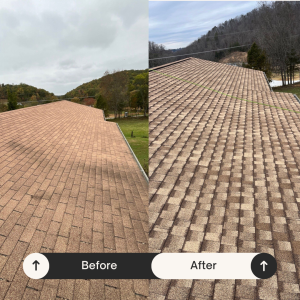
Asphalt shingle roofs are one of the most common roofing systems used on residential homes. While shingles are durable, winter conditions can cause them to deteriorate faster.
A spring inspection of a shingle roof should check for:
• Missing or lifted shingles
• Granule loss from shingle surfaces
• Damaged flashing around chimneys and vents
• Signs of moisture or water intrusion
Granule loss is especially important to watch for because it can expose shingles to UV damage and reduce their lifespan.
Inspect Metal Roofing Systems
Metal roofing systems are known for their durability and long lifespan, making them a popular choice for both residential and commercial buildings. However, even metal roofs require occasional maintenance and inspection.
Spring maintenance for metal roofs should include checking:
• Loose screws or fasteners
• Seams that may have shifted due to temperature changes
• Sealant wear around flashing
• Storm damage or dents from falling debris
Routine inspections ensure your metal roof continues performing efficiently for decades.





Remove Debris from Your Roof
Throughout the winter months, branches, leaves, and debris can accumulate on roofs. If this debris is left in place, it can trap moisture against the roofing materials and cause deterioration.
Roof valleys are particularly prone to debris buildup, which can prevent water from draining properly.
Clearing debris from your roof helps:
• Prevent moisture damage
• Improve drainage
• Reduce the risk of mold and rot
• Extend the lifespan of roofing materials
Because walking on a roof can be dangerous, debris removal is often best handled by roofing professionals.
Check Your Attic and Interior Ceilings
Roof problems don’t always appear outside first. Sometimes the earliest signs of roof damage show up inside your home or building.
During your spring preparation, check your attic or ceilings for signs such as:
• Water stains on ceilings or walls
• Damp insulation
• Mold or mildew smells
• Visible sunlight through the roof boards
These symptoms may indicate that water is entering through damaged roofing materials or flashing.
If you notice any of these issues, a professional roof inspection should be scheduled immediately.
Consider Gutter and Siding Upgrades
Spring is also a great time to improve your home’s exterior with new gutters or siding. These components play a major role in protecting your home while also enhancing curb appeal.

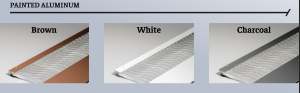
New siding can improve insulation, increase energy efficiency, and update the appearance of your home or business. Upgraded gutters ensure rainwater is properly directed away from your property.
McGuire Roofing is happy to assist with siding installation and gutter services to help protect and beautify your property.
Schedule a Professional Spring Roof Inspection
While a visual inspection is a good starting point, nothing replaces the expertise of a professional roofing contractor. A professional inspection ensures every part of your roofing system is carefully evaluated.
A professional spring roof inspection typically includes:
• Roof surface evaluation
• Flashing and seal inspections
• Structural integrity checks
• Gutter and drainage evaluation
• Repair recommendations
Regular inspections help extend the lifespan of your roof and prevent costly damage.
Trust McGuire Roofing for Your Spring Roof Preparation
At McGuire Roofing, we are proud to provide reliable roofing services for homeowners and businesses. Our team has experience working with shingle roofs, metal roofing systems, commercial roofs, gutters, and siding.
Whether you need a spring roof inspection, minor repairs, or a full roofing upgrade, we are here to help. Our goal is to provide quality workmanship and dependable service so your property stays protected throughout every season.
Spring storms can bring heavy rain and strong winds, so making sure your roof is prepared now can save you time, stress, and money later.
If it’s been a while since your roof was inspected, now is the perfect time.
Contact McGuire Roofing today to schedule your spring roof inspection and ensure your home or commercial building is ready for the season ahead.